The Ultimate Guide to 5 Free Global Elevation Tools: Mapping Any Point on Earth’s Surface
In today’s digital mapping landscape, accessing accurate global elevation data has become essential for professionals across multiple industries. Whether you’re a landscape architect planning a new development, a hiker mapping trail routes, or a researcher analyzing terrain characteristics, having access to reliable elevation profiles and elevation sampling tools can make the difference between project success and costly mistakes.
This comprehensive guide explores five powerful, free online tools that provide elevation for any point on the surface of the earth, each designed to meet specific mapping and analysis needs. From generating detailed topographic contours to extracting bulk elevation data, these tools democratize access to professional-grade global elevation data that was once available only to those with expensive GIS software and specialized training.
Why Global Elevation Data Matters in Modern Applications
Global elevation data serves as the foundation for countless applications across industries. Construction professionals rely on accurate elevation sampling to assess site suitability and drainage patterns. Environmental scientists use elevation profiles to model watershed behavior and predict flood risks. Outdoor enthusiasts depend on terrain data to plan safe hiking routes and understand trail difficulty.
The challenge has always been accessing this data in a format that’s both accurate and easy to use. Traditional methods required expensive software licenses, technical expertise, and often resulted in data that was difficult to integrate into existing workflows. The tools we’ll explore solve these problems by providing browser-based access to professional-quality global elevation data with intuitive interfaces that require no specialized training.
Tool #1: Free Online Elevation Contour Generator
The Free Online Elevation Contour Generator revolutionizes how professionals create topographic maps. This powerful tool transforms complex global elevation data into clear, professional contour maps that visualize terrain in an instantly understandable format.
Key Features and Capabilities
This contour generator processes areas up to 1000 km² (or 1000 square miles), making it suitable for everything from small site plans to regional terrain analysis. Users can customize contour intervals from 1-meter precision for detailed site work to 100-meter intervals for broader landscape visualization. The tool sources its elevation data from AWS Terrain Tiles, ensuring global coverage with consistent accuracy.
The interactive interface allows users to simply draw a rectangle on the map to define their area of interest, select measurement units (meters or feet), and generate professional-quality contour maps in minutes. Each contour line connects points of equal elevation, providing a clear three-dimensional understanding of the terrain’s characteristics.
Professional Applications
Landscape architects use this tool to understand site topography before beginning design work, ensuring drainage patterns and grading plans align with natural terrain features. Civil engineers rely on the contour data for preliminary site assessment and infrastructure planning. The downloadable GeoJSON format integrates seamlessly with CAD software and GIS applications, making it invaluable for professionals who need to incorporate elevation profiles into larger project workflows.
Construction professionals find the tool particularly useful for assessing excavation requirements and identifying potential drainage issues before breaking ground. The visual nature of contour maps makes it easy to communicate terrain characteristics to clients and stakeholders who may not have technical mapping backgrounds.
Tool #2: Grid Elevation Sampling Tool
The Grid Elevation Sampling Tool addresses the specific need for systematic elevation sampling across defined areas. This tool excels at extracting elevation data for multiple points simultaneously, making it indispensable for professionals requiring comprehensive terrain analysis.
Systematic Data Collection
This tool generates customizable grids with spacing options ranging from 10 meters to 1000 meters (30 to 3300 feet), allowing users to balance data resolution with processing requirements. The system can handle up to 20,000 sampling points per dataset, providing detailed coverage for large areas while maintaining reasonable processing times.
The elevation sampling methodology ensures systematic coverage of the selected area, eliminating the bias that can occur with manual point selection. This systematic approach is crucial for applications requiring statistical analysis of terrain characteristics or comprehensive site assessment.
Data Export and Integration
Results export in CSV format with latitude, longitude, and elevation data for each sampled point. This format integrates easily with spreadsheet applications for basic analysis or imports directly into GIS software for advanced spatial analysis. The global coordinate system (WGS84) ensures compatibility with virtually any mapping or surveying application.
Environmental researchers use this tool to collect elevation data for watershed modeling and habitat analysis. Agricultural professionals rely on the systematic sampling to understand field topography for irrigation planning and soil conservation strategies. The tool’s ability to process large areas makes it valuable for regional planning applications where understanding terrain patterns across extensive areas is essential.
Tool #3: Elevation Profile Generator
The Elevation Profile Generator specializes in creating detailed elevation profiles along specific routes or paths. This tool transforms linear terrain analysis from a complex technical process into an intuitive point-and-click operation.
Route-Based Analysis
Users create elevation profiles by clicking points on an interactive map to define their path of interest. The tool then generates a detailed cross-sectional view showing elevation changes along the entire route. This functionality proves invaluable for trail planning, where understanding elevation gain and loss helps assess difficulty and plan appropriate pacing.
The adjustable sampling rate allows users to balance accuracy with processing speed. More sampling points provide higher accuracy profiles suitable for detailed engineering analysis, while fewer points create simplified profiles appropriate for general planning purposes.
Outdoor Recreation Applications
Hikers and trail runners use this tool to understand the elevation challenges of planned routes, helping them prepare appropriately and set realistic timeframes. Event planners rely on elevation profiles to design cycling routes and running courses that provide appropriate challenges for participants.
The visual nature of elevation profiles makes complex terrain data accessible to outdoor enthusiasts who may not have technical mapping backgrounds. By presenting elevation changes as clear graphs, the tool helps users understand cumulative elevation gain, identify challenging sections, and plan rest stops or supply points accordingly.
Tool #4: Global Elevation Data Download Tool
The Global Elevation Data Download Tool provides direct access to professional-grade global elevation data from OpenTopography’s extensive dataset collection. This tool bridges the gap between free online tools and expensive commercial data sources.
Professional Dataset Access
This tool provides access to multiple high-quality elevation datasets, including SRTM (Shuttle Radar Topography Mission) and ALOS World 3D data. Each dataset offers different coverage areas and resolutions, allowing users to select the most appropriate data source for their specific requirements.
The integration with OpenTopography’s APIs ensures access to data that meets scientific and engineering standards. Users can download data in multiple formats, including GeoTiff, ASCII Grid, and IMG formats, ensuring compatibility with virtually any GIS or analysis software.
Research and Professional Applications
Researchers rely on this tool to access standardized global elevation data for scientific studies requiring consistent, verified elevation information. The data citation requirements ensure proper attribution to original sources, supporting reproducible research practices.
Engineering consultants use the tool to access baseline elevation data for project areas, particularly in remote locations where local survey data may be unavailable or prohibitively expensive to obtain. The global coverage makes it valuable for international projects requiring consistent data standards across multiple countries.
Tool #5: Add Elevation Data To GPX
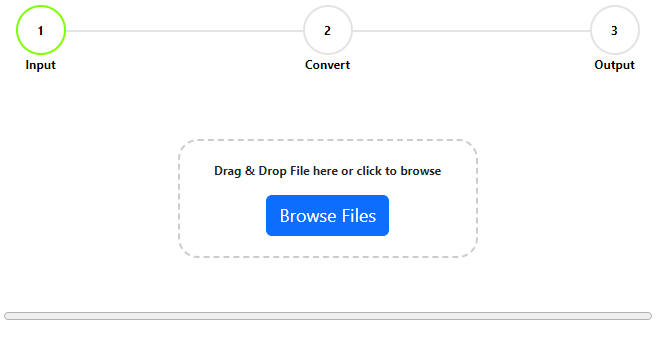
The Add Elevation Data To GPX tool solves a common problem faced by GPS users: incomplete or missing elevation data in track files. This browser-based tool enhances existing GPX files with accurate elevation data without requiring software installation.
GPS Data Enhancement
Many GPS devices record horizontal position accurately but may lack elevation sensors or produce inconsistent elevation readings. This tool addresses these limitations by adding accurate elevation data to existing track points, routes, and waypoints using high-quality terrain databases.
The browser-based processing ensures data privacy, as GPX files are processed locally without uploading sensitive location information to external servers. This approach provides faster processing while maintaining user privacy, a crucial consideration for professionals working with confidential location data.
Workflow Integration
Outdoor professionals, surveyors, and researchers often work with GPX files that lack complete elevation information. This tool seamlessly integrates into existing workflows, accepting standard GPX files and returning enhanced versions with comprehensive elevation data for every point.
The tool supports multiple map views, including satellite, terrain, and street maps, allowing users to visualize their GPS tracks in context with the surrounding landscape. This visual feedback helps verify that elevation enhancements align with expected terrain characteristics.
Choosing the Right Tool for Your Global Elevation Data Needs
Each of these five tools serves specific use cases within the broader landscape of global elevation data applications. Understanding when to use each tool maximizes efficiency and ensures you’re working with the most appropriate data format for your project requirements.
For Visual Terrain Understanding
The Free Online Elevation Contour Generator excels when you need to visualize and communicate terrain characteristics. Its contour maps provide intuitive understanding of landscape features, making it ideal for client presentations, preliminary site assessment, and educational applications. The visual nature of contour maps makes complex elevation data accessible to non-technical stakeholders.
For Systematic Data Collection
The Grid Elevation Sampling Tool becomes essential when your project requires comprehensive elevation sampling across defined areas. This tool’s systematic approach eliminates sampling bias and provides consistent data density, making it valuable for statistical analysis, environmental modeling, and large-area assessment projects.
For Linear Route Analysis
The Elevation Profile Generator specializes in route-based analysis, creating detailed elevation profiles that show terrain changes along specific paths. This tool proves invaluable for transportation planning, trail design, pipeline routing, and any application requiring understanding of elevation changes along linear features.
For Research-Grade Data
The Global Elevation Data Download Tool provides access to professional-quality datasets suitable for scientific research and engineering applications. When project requirements demand verified, citable global elevation data with known accuracy specifications, this tool ensures access to appropriate datasets.
For Data Enhancement
The Add Elevation Data To GPX tool fills the specific niche of enhancing existing GPS data with accurate elevation information. This tool proves essential when working with GPS tracks that lack elevation data or when elevation accuracy is questionable.
Technical Considerations for Global Elevation Data
Understanding the technical aspects of global elevation data helps users make informed decisions about data quality, accuracy, and appropriate applications. Each tool sources data from different providers, offering varying levels of accuracy and coverage.
Data Sources and Accuracy
Most tools utilize data from AWS Terrain Tiles, SRTM, or OpenTopography sources. These datasets typically provide 5-10 meter vertical accuracy in most regions, suitable for planning and visualization purposes but potentially insufficient for detailed engineering design requiring survey-grade precision.
The global nature of these datasets ensures consistent coverage, but local variations in data quality can occur. Areas with complex terrain, dense vegetation, or urban development may show reduced accuracy compared to open, relatively flat terrain.
Coordinate Systems and Integration
All tools output data in standard coordinate systems (typically WGS84), ensuring compatibility with common GIS software, CAD applications, and web mapping services. This standardization simplifies data integration and reduces the technical barriers to incorporating elevation data into existing workflows.
Best Practices for Working with Global Elevation Data
Maximizing the value of these elevation sampling and analysis tools requires understanding their capabilities and limitations. Following established best practices ensures reliable results and appropriate application of the data.
Validation and Cross-Reference
For critical applications, validate elevation data against local survey information or alternative data sources. While these tools provide excellent coverage and reasonable accuracy, site-specific conditions may require verification through ground-truthing or survey-grade measurements.
Scale-Appropriate Application
Match tool selection to project scale and accuracy requirements. Detailed site planning may require smaller contour intervals and higher sampling density, while regional planning can utilize broader intervals and systematic sampling approaches.
Data Integration Workflows
Plan data integration workflows before beginning data collection. Understanding how elevation data will integrate with existing software and analysis procedures prevents format compatibility issues and ensures efficient project progression.
Future of Global Elevation Data Access
The democratization of global elevation data through free, browser-based tools represents a significant shift in how professionals access and utilize terrain information. These tools eliminate traditional barriers of cost, technical complexity, and software requirements that previously limited access to elevation data.
Emerging Applications
As access to elevation data becomes more widespread, new applications continue to emerge. Climate change research relies increasingly on elevation data for sea-level rise modeling. Urban planning incorporates terrain analysis for flood risk assessment and infrastructure development. Even recreational applications like augmented reality hiking apps depend on accurate elevation profiles for enhanced user experiences.
Technology Integration
Future developments in elevation data access will likely focus on integration with emerging technologies. Mobile applications incorporating these tools will provide field access to elevation sampling capabilities. Integration with drone survey data will combine high-resolution local measurements with broader regional datasets.
Conclusion: Empowering Projects with Accessible Elevation Data
These five free tools fundamentally change how professionals and enthusiasts access global elevation data. By providing browser-based access to professional-quality elevation information, they eliminate traditional barriers and democratize terrain analysis capabilities.
Whether you need to create topographic contours for a construction site, generate elevation profiles for trail planning, conduct systematic elevation sampling for environmental research, access research-grade datasets for scientific studies, or enhance GPS tracks with accurate elevation information, these tools provide the capabilities once available only through expensive software and specialized training.
The combination of global coverage, professional accuracy, and intuitive interfaces makes these tools invaluable for anyone working with terrain data. As digital mapping continues to evolve, access to quality elevation for any point on the surface of the earth will undoubtedly enable new applications and improve decision-making across countless industries and applications.
Start exploring these tools today and discover how accessible global elevation data can enhance your projects, improve your planning processes, and provide the terrain insights necessary for successful outcomes.